
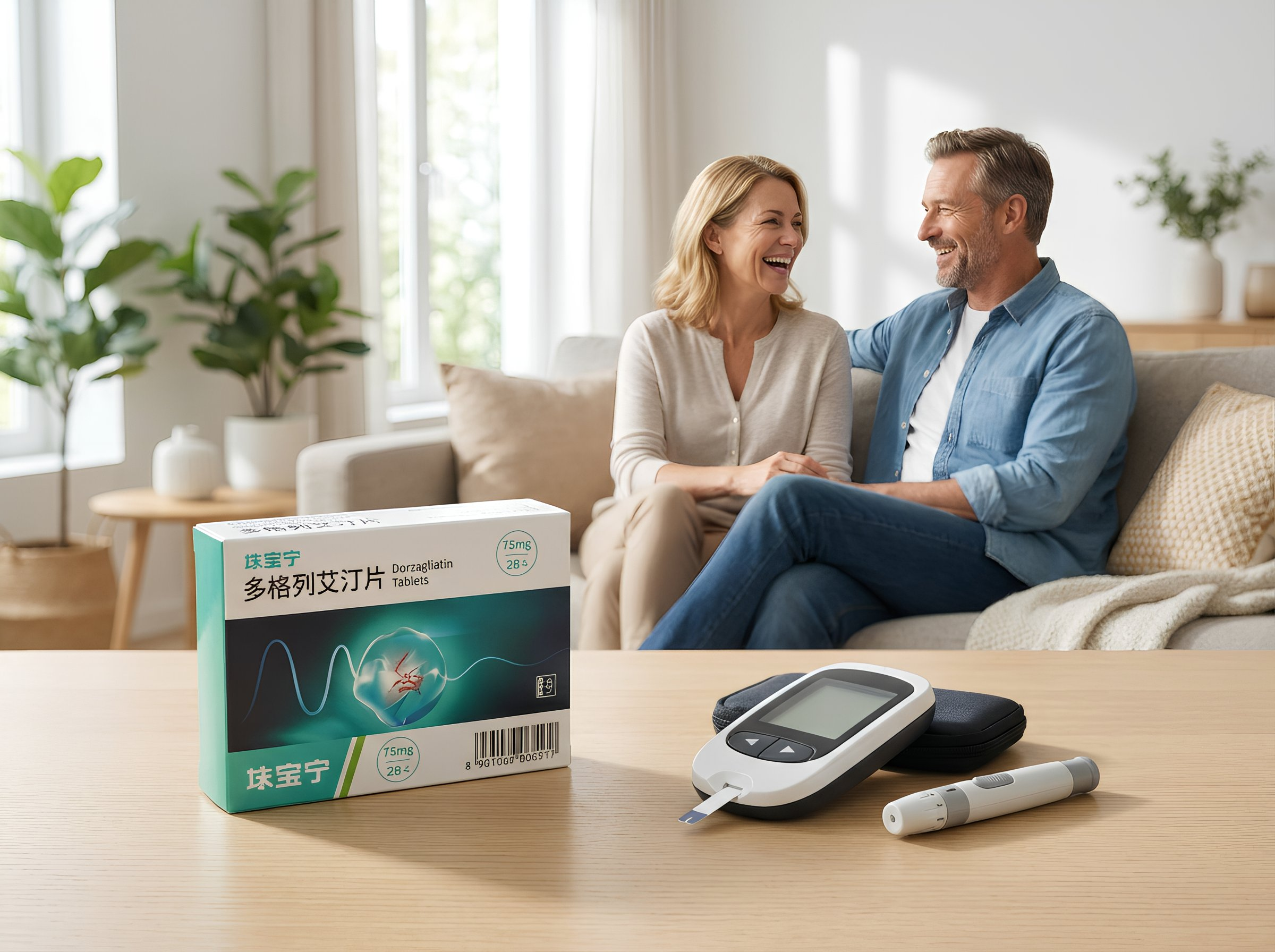
Dorzagliatin (trade name-HuaTanNin®) is an innovative drug that has opened a new page in the treatment of type 2 diabetes. It has a unique mechanism of action, aimed not only at reducing blood sugar, but also at restoring the disturbed mechanisms of glucose metabolism. This makes it an important element in modern therapy strategies.
How does Dorzagliatin work?
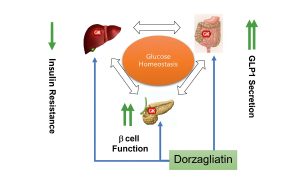
Glucokinase is an enzyme that plays the role of a ‘glucose sensor’ in the body. In people with type 2 diabetes, this mechanism is disrupted: the pancreas produces less insulin, and the liver continues to produce glucose, even when it is already in excess.
Dorzagliatine activates glucokinase and thereby:
- increases the production of insulin in the pancreas;
- reduces excess glucose production by the liver;
- promotes the utilization of glucose in the liver.
This dual effect allows you to normalize sugar levels both on an empty stomach and after meals, while maintaining the glucose-dependent mechanism of action and reducing the risk of hypoglycemia.
Who is Dorzagliatin suitable for?
Dorzagliatin is used to treat adults with type 2 diabetes. It fits:
- as monotherapy in the early stages of the disease;
- in combination with metformin in case of insufficient sugar control;
- as part of more complex therapy regimens, including DPP-4 and SGLT2 inhibitors.
In patients with unstable post-meal sugar levels, reduced beta-cell function, and insensitivity to other medications, Dorzagliatin may provide a noticeable improvement in the glycemic profile.
Mode of administration and dosage
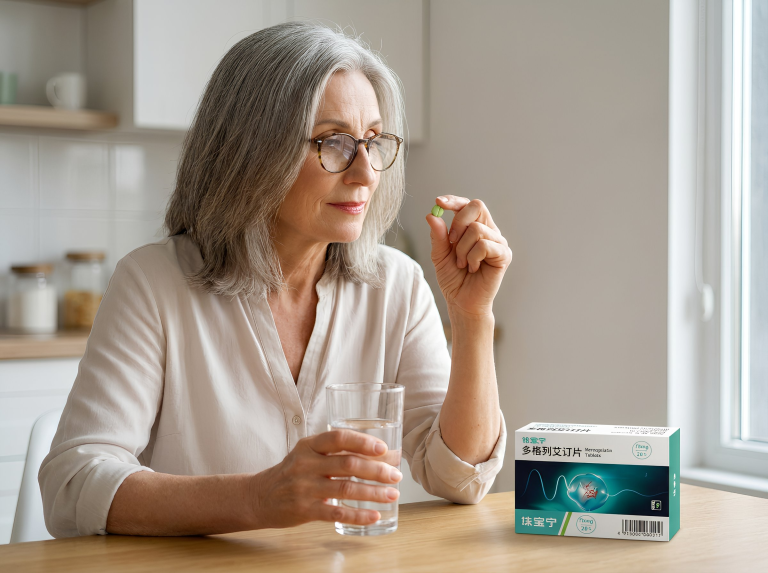
The standard dosage is 75 mg twice a day-in the morning and in the evening. The drug is recommended to be taken with a meal or immediately after it, without chewing and drinking water.
If the dose was missed, it should not be doubled. The patient just needs to take the next dose on schedule. Dorzagliatin does not require a gradual increase in the dose, which makes its use convenient and predictable.
Clinical efficacy
The effectiveness of Dorzagliatin has been confirmed by a number of large clinical studies:
- In the SEED study , monotherapy reduced HbA1c by 1.07% compared to 0.5% in the placebo group.
- In the DAWN study , the combination with metformin reduced HbA1c by 1.02%, significantly exceeding the effect of metformin alone.
- In the DREAM study , 65.2% of patients maintained HbA1c < 6.5% one year after therapy without additional medications.
This suggests that Dorzagliatine not only reduces sugar, but can also contribute to achieving sustained remission.
Side effects
The drug is well tolerated. The most common side effects associated with the digestive system are nausea, diarrhea, and abdominal discomfort, especially at the beginning of therapy. These phenomena are usually short-term and disappear as the body adapts.
Sometimes there is a slight increase in uric acid or triglyceride levels. These changes usually do not require discontinuation of therapy, but need to be monitored in patients with appropriate risk factors. Hypoglycemia is extremely rare — less than 1% of cases, mainly when combined with other hypoglycemic agents.
It is important to note that Dorzagliatin does not cause weight gain — this is a serious advantage for overweight patients.
Contraindications
The drug is not prescribed:
- for type 1 diabetes;
- in the case of diabetic ketoacidosis;
- with severe hepatic insufficiency;
- during pregnancy and lactation;
- persons under 18 years of age;
- in case of individual intolerance to the components.
Before starting treatment, the doctor must evaluate the liver and kidney function, as well as analyze the patient’s current condition and medications taken.
Compatibility with other drugs
Dorzagliatin can be safely combined with such products as:
- metformin;
- DPP-4 inhibitors (e.g. sitagliptin);
- SGLT2 inhibitors (e.g. empagliflozin).
The drug does not require dose adjustment of other drugs and does not affect their pharmacokinetics. However, when taken with strong inhibitors or inducers of liver enzymes (for example, ketoconazole, rifampicin), changes in efficacy may occur, which requires medical monitoring.
Monitoring and surveillance
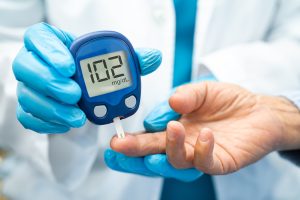
Despite a good safety profile, Dorzagliatin should be taken under the supervision of a doctor. It is important to check your blood sugar, liver function, lipid profile, and uric acid regularly, especially during the first months of treatment.
Patients should strictly follow the intake regimen, do not skip doses, and promptly inform the doctor about any changes in their state of health.
Dorzagliatin is a modern and powerful tool for controlling type 2 diabetes. Its unique mechanism of action allows you to influence the cause of the disease, and not just the symptoms. It is well tolerated, has a low risk of hypoglycemia, and can lead to sustained remission.
However, effective and safe treatment is possible only under the supervision of a specialist. Prescribing the dosage, selecting the therapy regimen and monitoring — all this should be the responsibility of the doctor. Only a personalized approach allows you to get the maximum benefit from treatment and avoid possible risks.
Sources:
https://diabetesjournals.org
https://www.cureus.com
https://pubmed.ncbi.nlm.nih.gov
https://sta.wuxiapptec.com