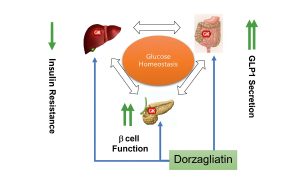


Dorzagliatin is a first-in-class dual glucokinase activator approved for the treatment of type 2 diabetes. It affects two key components of glucose regulation: it increases insulin secretion by beta cells and reduces glucose production in the liver. This makes the drug effective and pathogenetically sound. But like any serious medicine, Dorzagliatin has a number of contraindicationsthat cannot be ignored when choosing therapy. Understanding these limitations helps improve safety and individualize the treatment approach.
Hypersensitivity to the drug
As with most medications, allergic reactions to the components of Dorzagliatin are an absolute contraindication. Hypersensitivity can be manifested by skin rashes, swelling, shortness of breath, itching, or other symptoms of intolerance. Even a single case of such a reaction requires complete discontinuation of the drug and the choice of alternative treatment.
Severe renal and hepatic insufficiency
Clinical data confirm the safety of Dorzagliatin in mild to moderate renal impairment — without the need for dosage adjustment. However, in severe renal insufficiency (eGFR below 30 ml / min/1.73 m2) or severe hepatic impairment, the metabolism and excretion of the drug may be disrupted, potentially increasing the risk of toxicity.
Recommendation: in patients with end-stage chronic kidney disease or cirrhosis of the liver, Dorzagliatin should not be prescribedunless special monitoring and titration of the dose is carried out under the control of laboratory parameters.
Acute metabolic complications of diabetes
Diabetic ketoacidosis, hyperosmolar condition, and other acute decompensations require emergency intervention. Dorzagliatin, as a drug for chronic therapy, is not used in the acute period:
- It does not provide immediate glucose reduction;
- Does not affect metabolic acidosis;
- May complicate control of severe hyperglycemia.
Conclusion: if the patient is unstable, Dorzagliatin is ineffective and potentially unsafe.
Pregnancy and lactation period
Currently, there are no reliable data on the effect of Dorzagliatin on fetal development or its penetration into breast milk. This means that the drug is contraindicated during pregnancy and lactation.
The doctor should:
- Exclude pregnancy before starting therapy;
- Discuss with women of fertile age the need for reliable contraception during the reception;
- Suggest alternative treatment regimens when planning pregnancy.
Under 18 years of age
Dorzagliatin has not been studied in children and adolescents, so its safety and efficacy in this age group remain unknown. The drug is not used in patients under 18 years of age, even in the presence of type 2 diabetes.
Additional clinical limitations
Although Dorzagliatin shows a low incidence of severe side effects, some patients may have individual intolerance associated with:
- concomitant chronic diseases;
- drug interactions (especially with other hypoglycemic agents);
- unstable glucose levels at the beginning of therapy.
When combined treatment requires frequent monitoring of glycemia and monitoring of the general condition of the patient.
What should I check before prescribing Dorzagliatine?
Before including Dorzagliatin in therapy, you should conduct:
- Biochemical blood test (glucose, creatinine, liver enzymes);
- Evaluation of an allergic history;
- Exclusion of pregnancies;
- Checking the level of glycated hemoglobin (HbA1c);
- Clarification of current medications, especially insulin or sulfonylureas.
If there are risk factors, it is advisable to consult an endocrinologist, especially if the patient has previously experienced unstable reactions to hypoglycemic drugs.
Dorzagliatin is a promising and generally safe drug that can effectively control glucose levels and improve beta-cell function. However, its appointment requires a balanced approach and the exclusion of contraindications especially in patients with severe somatic pathology, pregnant women and children. High-quality diagnostics, competent selection of the treatment regimen and monitoring of the patient’s condition are the key to safe use of Dorzagliatin in clinical practice.
Sources:
https://www.nature.com
https://diabetesjournals.org
https://go.drugbank.com